Willow Weaving Starts Here
VineWeaveArt introduces simple basketry through prepared willow rods, steady hand pressure, clean over-under rows, and small woven forms that help you understand the material before attempting complex shapes.
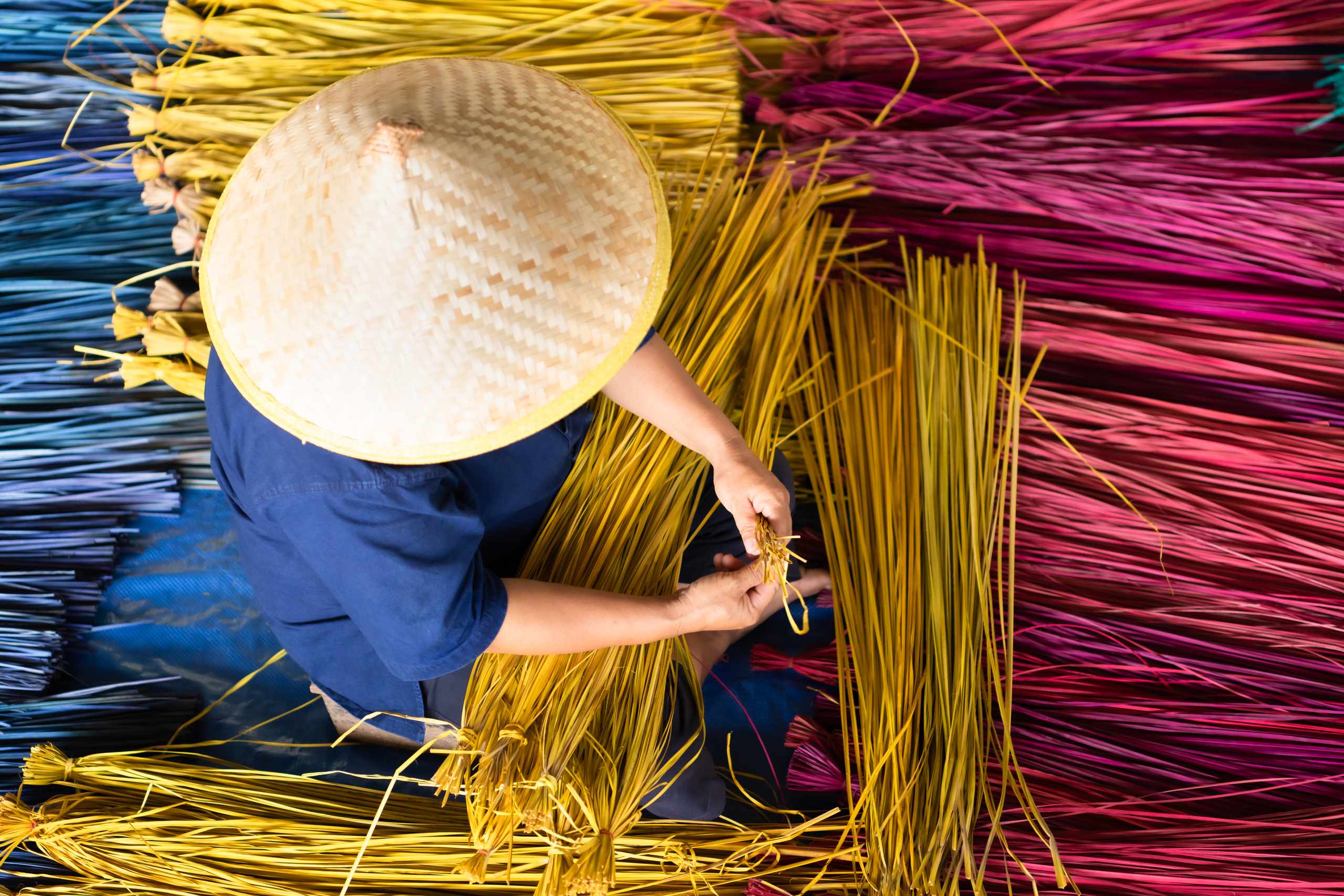
How Practice Builds
Sort The Rods
Begin by noticing rod thickness, flexibility, and dryness so the material suits the first exercise.
Set The Base
Use simple spokes and stakes to understand where the woven form gets its first shape.
Weave Slowly
Practice the over-under pattern while checking row spacing, tension, and hand pressure.
Check The Edge
Pause before finishing to spot leaning stakes, loose rows, bulky joins, and uneven borders.
Small Skills Before Full Baskets
Each practice area focuses on one useful part of willow weaving.
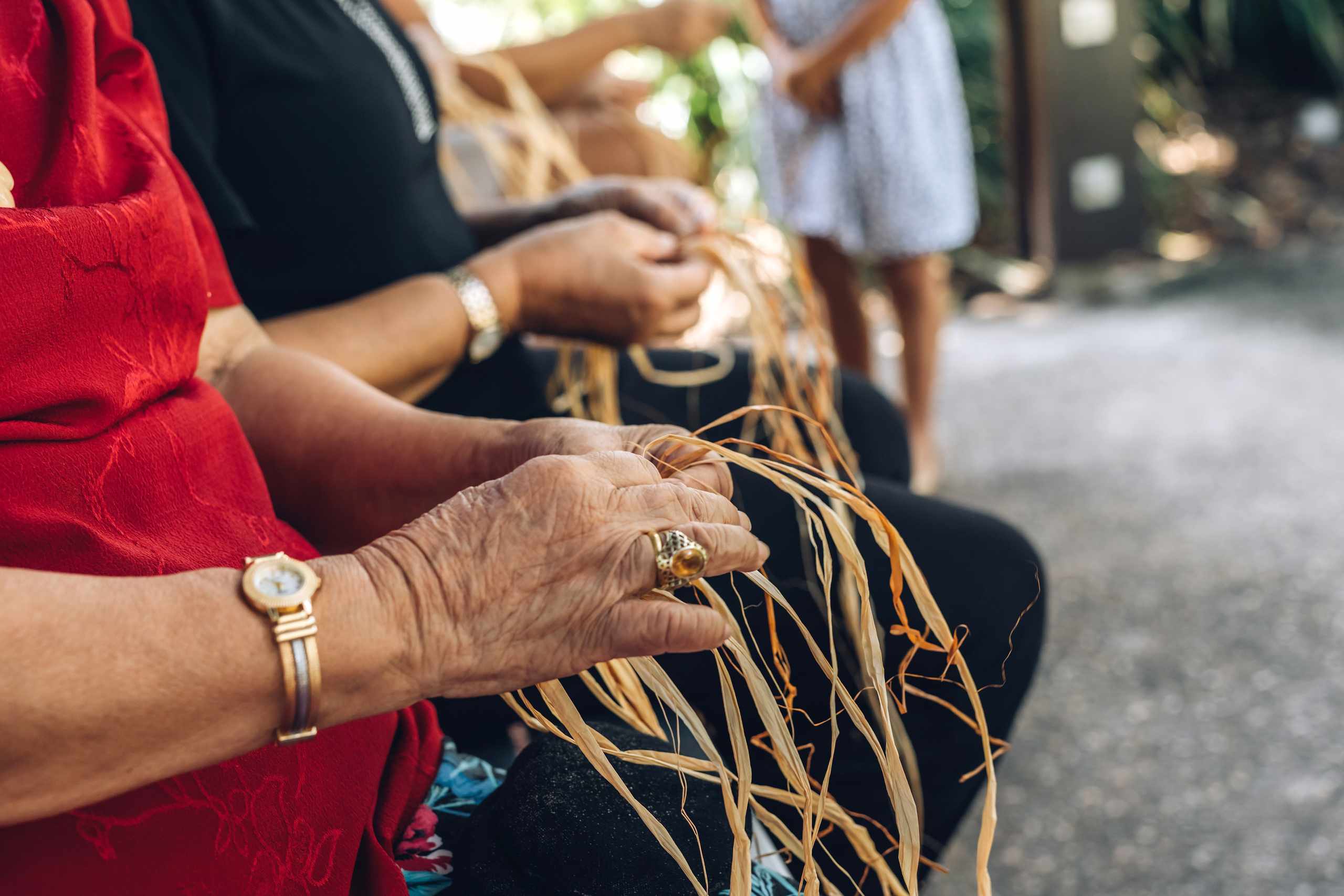
Rod Handling
Learn to bend prepared willow with controlled pressure instead of forcing sharp curves that snap.
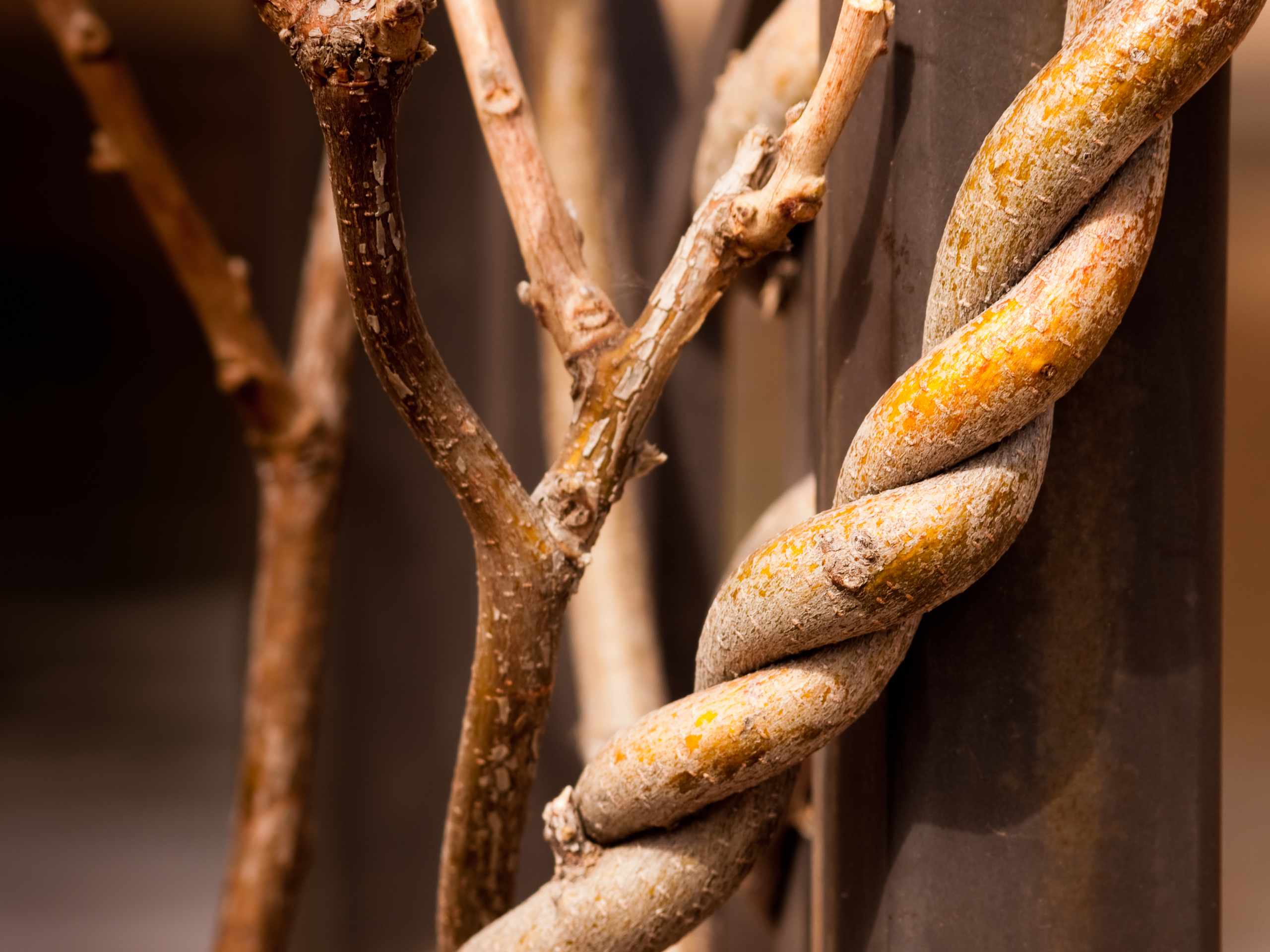
Even Tension
Keep rows firm without pulling the wall shape inward or leaving gaps between weavers.
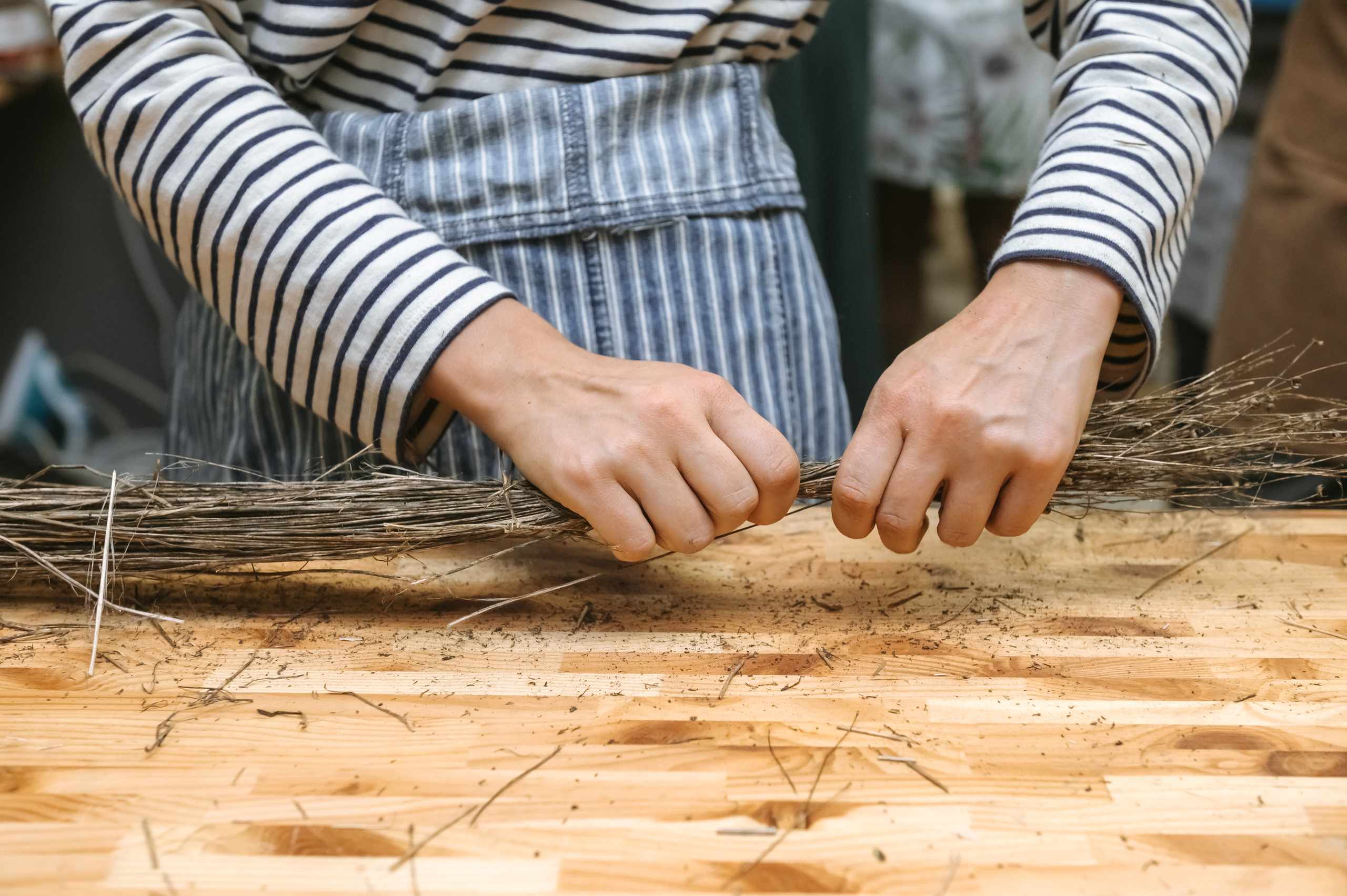
Clean Joins
Add new rods neatly so the woven surface stays smooth and the pattern remains readable.
What The Course Helps Organize
A grounded way to approach materials, rhythm, and first woven forms.
Material Preparation
Understand when rods need moisture, how flexibility changes during practice, and why dry pieces resist bending.
Base And Wall Practice
Work with simple spokes, stakes, and rows before trying taller walls or more complex basket shapes.
Finishing Awareness
Learn what to check before trimming, tucking, or forming a basic rim so the edge stays tidy and balanced.
What Learners Notice
The course made the first rows feel less confusing. I finally understood why my stakes kept leaning and how to check spacing before the shape drifted.

Sorting rods by thickness before weaving changed everything for me. The small samples helped me practice tension without worrying about a full basket.

I liked learning how to join a new rod without making a bulky spot. My practice pieces still look handmade, but the rows are much easier to read now.

From Our Weaving Notes
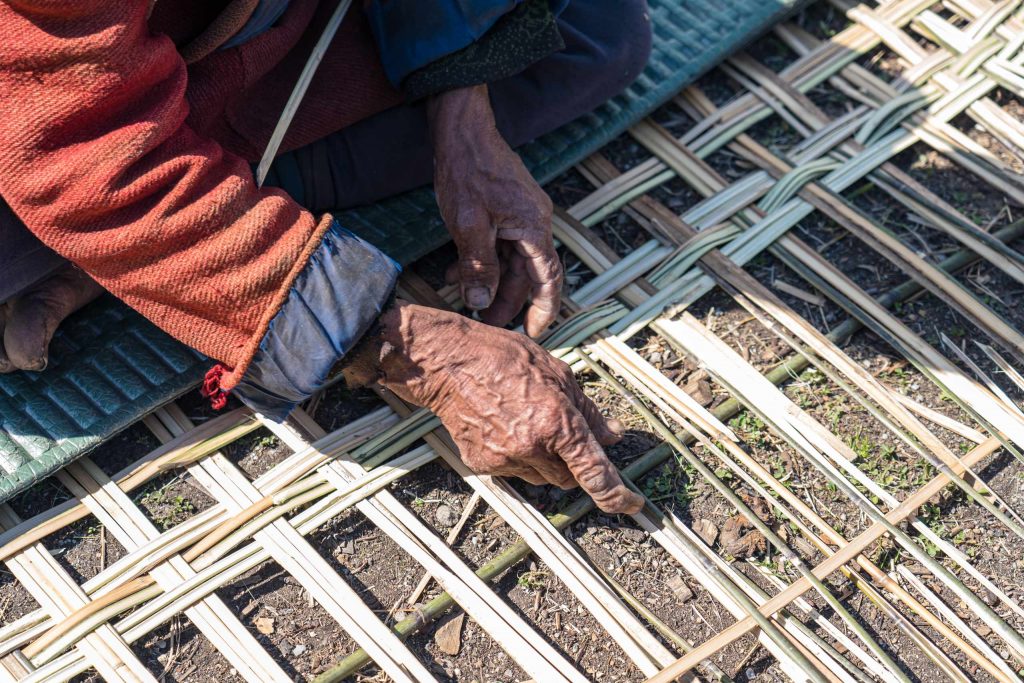
What to Look for as Basket Walls Tilt Over
A basket wall seldom starts out slanted. It often begins as one stake tilting slightly, another stake following…
Read More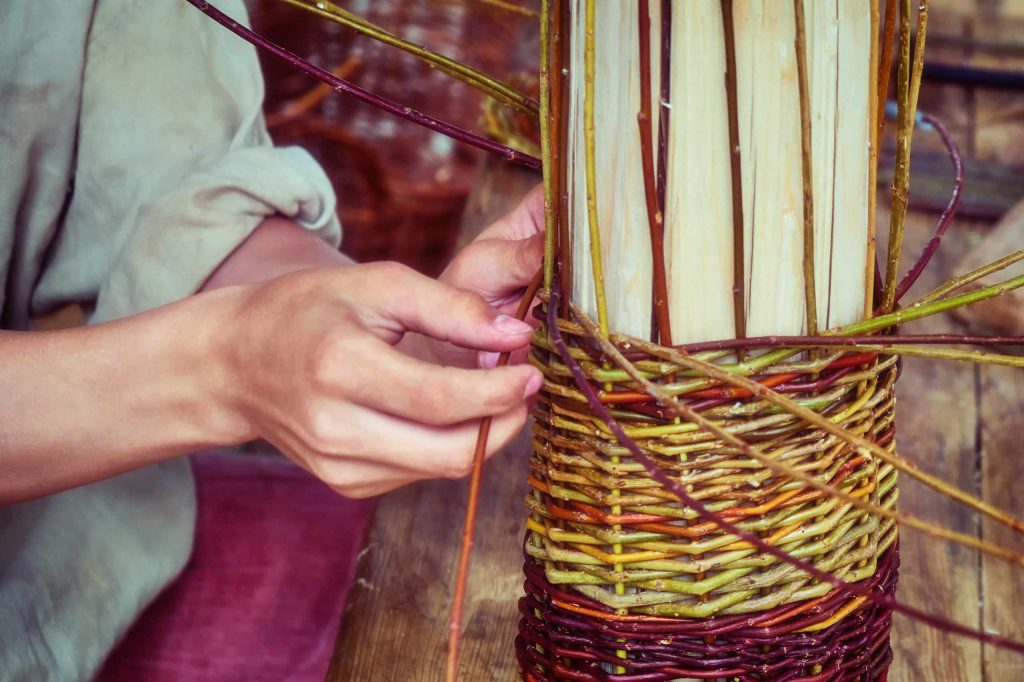
How to Practice the Over-Under Rhythm Without Making a Full Basket
To get the hang of this motion without making a whole basket: set some straight stakes on your…
Read More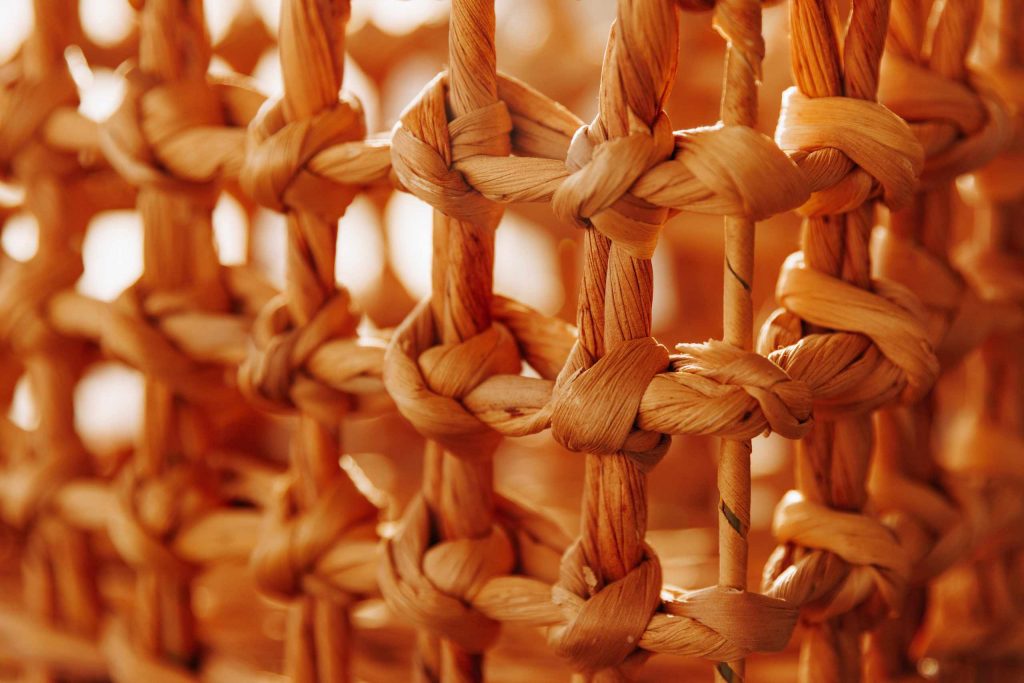
Why Soaking and Flexibility Matter Before You Start Weaving
Willow rods don’t always behave nicely when they try to wrap around stakes. Sometimes they curve around smoothly,…
Read More